

Long-Term eSIM for Japan: Best eSIM Japan 90 Days Options & How to Save on Roaming Costs
Jan
Japan remains one of the world’s most popular destinations—not only for tourists, but also for exchange students, remote workers, long-term travelers, and business professionals. As more people spend weeks or months in the country, staying connected becomes a critical part of daily life, whether for navigation, communication, work, or entertainment.
However, roaming fees from international carriers can easily become shockingly expensive. Many travelers assume they will rely on their home country’s roaming packages for 60 or 90 days, only to discover that the cost is often higher than booking an entire domestic phone plan in Japan. This is why eSIM technology has become the preferred alternative.
Among the most searched options today is the eSIM Japan 90 days plan—long enough to cover multi-month visits but still flexible enough to avoid long contracts. While these plans can be suitable for certain types of travelers, the reality is that long-term eSIMs in Japan come with their own challenges, including limited availability, identity verification, and higher upfront costs.
This article provides a complete guide to how long-term connectivity works in Japan, why many local carriers make 90-day eSIMs difficult to obtain, and why starting with a short-term eSIM (like those from Twise) is usually the smarter and more economical choice for your first weeks in the country.
1. What Is a 90-Day Japan eSIM and Who Is It For?
A eSIM Japan 90 days plan is designed for visitors who need a stable internet connection for around three months. These plans are typically marketed to people who stay longer than the average tourist but shorter than permanent residents.
They are particularly useful for:
- Exchange students who will be studying in Japan temporarily
- Long-term business trips
- Remote workers who are spending a season in Japan
- Travelers on extended backpacking or slow-travel journeys
- Visitors waiting on Japan Residence Cards, work permits, or university registration
A 90-day eSIM offers the convenience of not needing to renew your plan every few days or weeks. However, these plans are not always straightforward to obtain—especially immediately upon arrival.
Pros of a 90-Day eSIM
- No need to constantly top up or renew
- Good for long stays without commitment to a full Japanese carrier contract
- Ideal for visitors who already have accommodation and long-term plans finalized
Cons of a 90-Day eSIM
- Limited availability from Japanese carriers
- Higher upfront cost
- Often requires local address or documentation
- Not always available for immediate activation upon airport arrival
- Less flexible than short-term options
For many travelers, a long term esim japan is appealing in theory—yet challenging in practice.
Read more: Japan eSIM with Phone Number: Why Most Travelers Choose Data-Only Instead
2. Challenges of Choosing a 90-Day eSIM in Japan
While many people search for esim japan 90 days, the reality is that true long-term eSIM plans are not widely offered in a “plug-and-play” format. Japan’s telecom market has strict rules, especially regarding identity verification and phone number assignment.
Here are the biggest challenges travelers encounter:
Limited Options From Major Carriers
Finding an eSIM Japan 90 days plan can be challenging because Japan’s mobile market is not designed around long-term prepaid access for short-term visitors.
Japan’s three major carriers—NTT Docomo, SoftBank, and KDDI au—rarely sell long-term prepaid eSIMs directly to tourists. Their long-term plans generally fall under postpaid contracts, which require:
- These usually include Japanese residency status, a local payment method, address verification, and an in-store application process.
As a result, most travelers and newly arrived visitors are excluded from accessing an official eSIM Japan 90 days plan through these carriers.
Possible Requirements for Long-Term eSIMs
In addition, long-term eSIM options often come with further requirements that are difficult for short-term or newly arrived visitors to meet.
- Some plans require a registered Japanese residential address, a local credit card or bank account, and in-person activation with carrier staff.
- In many cases, travelers must present a Residence Card (在留カード) rather than a passport, which immediately disqualifies tourists, short-term business travelers, and digital nomads.
For visitors who just landed and haven’t settled in, these requirements are nearly impossible to meet.
High Upfront Cost
Most long-term eSIMs cost significantly more than short-term tourist plans. You often pay for 90 days of service upfront, even if you plan to switch carriers later.
This is why long-term visitors should avoid committing before settling into Japan.
3. Why Most Travelers Should Start With Short-Term Plans First
Between airport arrival, transportation, accommodation check-ins, and administrative tasks, the first few days in Japan are chaotic for most travelers. This is exactly why relying on a long term esim japan plan immediately upon arrival is not always the best move.
When arriving in Japan, most long-term visitors still:
- Do not have a confirmed long-term address
- Haven’t opened a Japanese bank account
- Haven’t decided which Japanese carrier or MVNO (budget carrier) they want to commit to
- Are unsure whether they will stay in one region or travel extensively
Starting with a flexible short-term eSIM is far more practical.
Benefits of Using Short-Term eSIMs First
- You get instant connectivity upon landing
- No passport scan, contract, or address needed
- You can test network coverage before committing
- You avoid costly roaming fees
- You buy time to compare long-term options
- You avoid high upfront payments for uncertain long-term stays
Short-term eSIMs are essentially a “safe buffer period,” giving you full freedom and internet access while you adapt to Japan’s infrastructure and lifestyle.
4. Twise Short-Term Plans: More Flexible and Budget-Friendly
Many new visitors find Twise Japan eSIMs the most convenient solution for the first 7–30 days in the country. Twise plans are designed to be flexible, easy to activate, and perfect for anyone who doesn’t want to deal with complicated paperwork right away.
These short-term options are available in multiple durations, including:
- 1 – 30 days
This makes Twise ideal for:
- Immediate connectivity at the airport
- Tourists staying temporarily
- Long-term visitors during their first month in Japan
- Students waiting for their residence card or school registration
- Business travelers needing quick setup
- Anyone who wants to stay connected while searching for long-term plans
All Twise eSIMs share the same benefits:
- No passport or address needed
- No app download necessary
- Instant online purchase
- Quick activation
- Reliable network coverage via major Japanese carriers
- Clear pricing with no hidden fees
This makes Twise especially helpful during the transition period before committing to any long term esim japan or domestic contract.
5. How to Activate a Twise eSIM
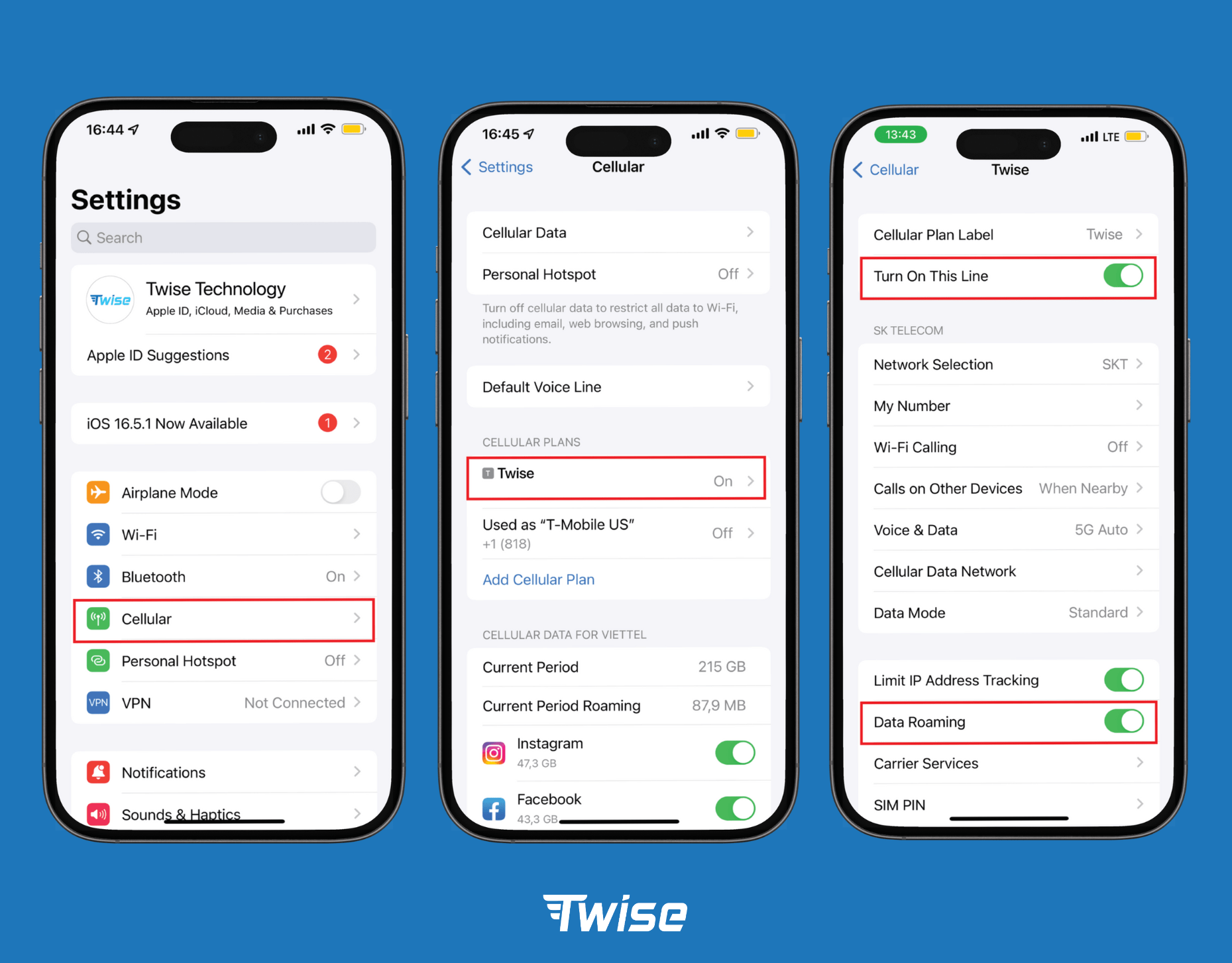
Activation is straightforward and takes only minutes:
- Visit the Twise website and choose your Japan eSIM plan.
- Complete your purchase online using any major international payment method.
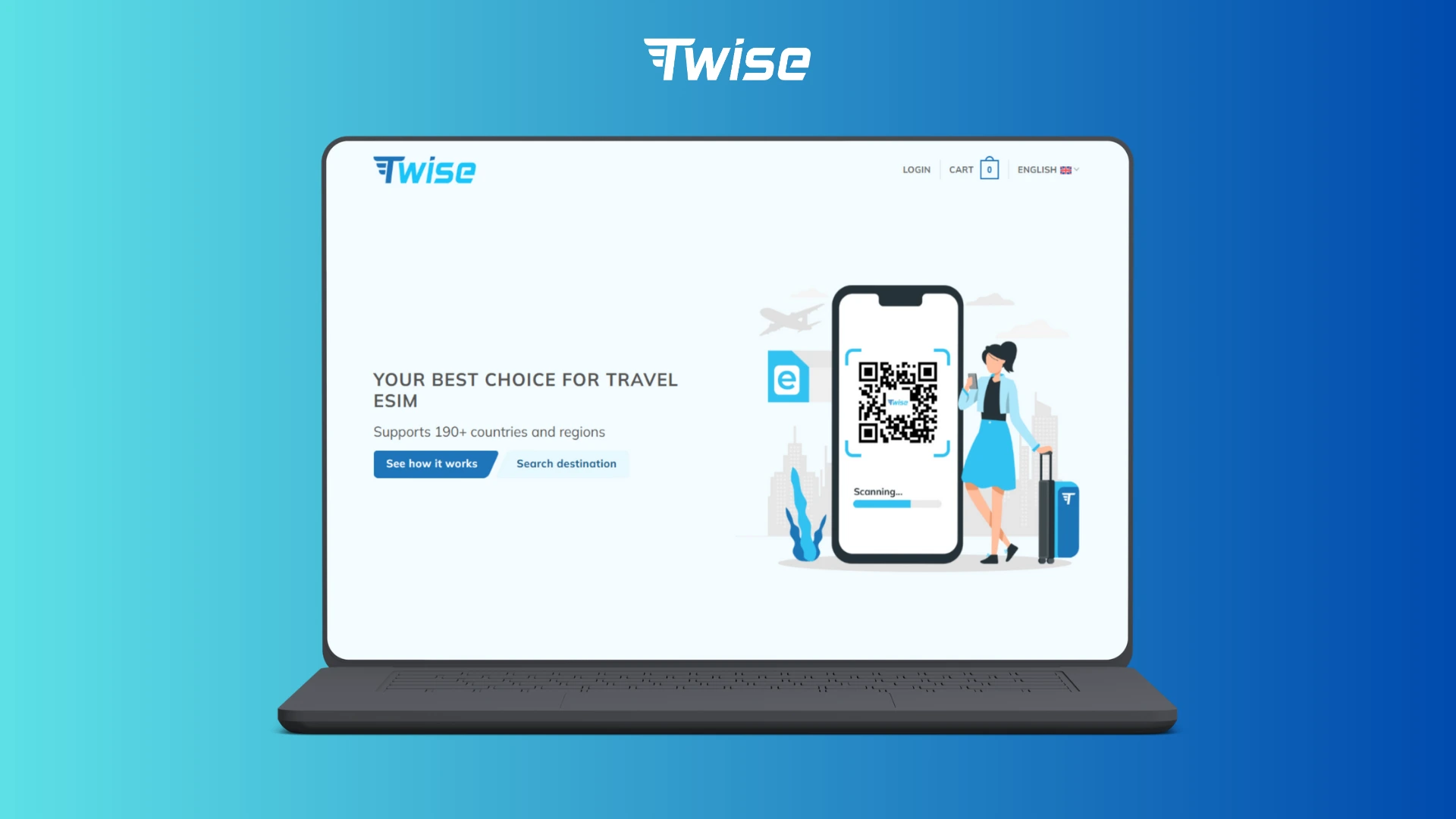
- Receive your eSIM instantly by email (QR code or automatic installation link).
- Install the eSIM in your device settings.
- Turn on mobile data when you arrive in Japan.
- You are connected immediately—no queues, no paperwork.
This is particularly helpful for late-night arrivals when airport SIM counters are closed.
6. Transitioning to a Long-Term SIM or eSIM in Japan
Once you have settled into your accommodation, finalized your address, and possibly opened a Japanese bank account, you can consider switching to a 90-day or longer telecom solution.
Most of the 90-day options available locally fall under the category of long-term prepaid or postpaid plans. These may require:
- A Japanese residential address
- A Residence Card
- Japanese credit card or bank account
- In-store registration
This is why starting with a short-term eSIM such as Twise makes the transition smooth and stress-free.
7. Where to Buy Long-Term SIM/eSIM in Japan
If you are planning an extended stay and are looking for a long term eSIM Japan solution, more options become available once you are fully settled in the country.
a. Major Carriers (Docomo, SoftBank, KDDI au)
Major carriers such as NTT Docomo, SoftBank, and KDDI au operate nationwide store networks and offer strong coverage and stable performance. However, their long-term plans are typically structured as postpaid contracts.
- These often require a one- to two-year commitment, proof of Japanese residence, address verification, and a local payment method such as a Japanese credit card or bank account.
- Because of these requirements, major carriers are generally not suitable for visitors who plan to stay only around 90 days and simply need a flexible long term eSIM Japan option.
b. MVNOs (Cheaper and More Flexible)
MVNOs (Mobile Virtual Network Operators) provide a more accessible alternative. Often referred to as budget carriers, MVNOs lease network access from major operators while offering simpler contracts and lower prices.
- Popular MVNOs include IIJmio, Rakuten Mobile, Biglobe Mobile, LINE Mobile, and Aeon Mobile.
- These providers are more foreigner-friendly and are commonly chosen by international students, working holiday participants, and remote workers staying for several months.
c. Electronics Stores
Another practical option is electronics and retail stores such as Bic Camera, Yodobashi Camera, and Don Quijote.
These large retailers sell both prepaid and postpaid SIM or eSIM plans and sometimes have English-speaking staff available. They are considered travel-friendly and frequently offer promotions, making them a convenient bridge solution for newcomers looking to transition into a long-term plan.
d. Online Purchase
Online applications are widely available once you have a fixed address. Many carriers and MVNOs allow you to apply through their websites and have the SIM or eSIM delivered to your accommodation.
- Requirements vary by provider but usually include a Japanese address, a valid Residence Card, and a local payment method.
Through these channels, you can easily find Japanese long-term data plans after your arrival.
Conclusion
Staying connected in Japan doesn’t need to be complicated or expensive. While a esim japan 90 days plan might seem like the ideal solution for long-term visitors, the reality is that these plans often come with strict requirements, limited availability, and high costs.
For most travelers, students, and business visitors, the smartest approach is:
- Start with a Twise 1–30 day eSIM for instant connectivity when you land.
- No paperwork
- No address
- No Japanese payment method
- Easy, fast, and reliable
- After settling into Japan:
- Compare local MVNOs and major carriers
- Choose the most cost-efficient 90-day or long-term plan
- Avoid roaming charges entirely
Whether you’re spending a month discovering Japan’s cultural treasures or staying for several seasons, beginning with a flexible Twise eSIM gives you peace of mind from day one—and buys you time to choose the perfect long term esim japan solution for the rest of your stay.
Twise’s customer support is available 24/7 to assist you. You can contact them through the official channels below for immediate help:
– Facebook Fanpage: Twise
– Email: support@twise.tech
– WhatsApp: (+1) 818-915-0777
