

Cost of eSIM in Japan: What’s Affordable and How to Buy It
Feb
Japan is one of the most technologically advanced countries in the world, yet staying connected as a traveler can still feel confusing—especially when comparing mobile data options. For short-term visitors moving between cities like Tokyo, Osaka, Kyoto, and Fukuoka, reliable internet is essential for maps, train navigation, translation apps, mobile payments, and social sharing.
This is why many travelers now focus on comparing eSIM prices instead of buying physical SIM cards or renting pocket WiFi. An eSIM is instant, flexible, and often more cost-effective—if you choose the right plan.
However, the cost of eSIM in Japan can vary widely depending on the provider, data allowance, network quality, and validity period. Some plans look cheap at first glance but become expensive per gigabyte, while others advertise “unlimited data” but apply speed restrictions.
In this guide, we will break down the real Japan eSIM cost, explain what influences pricing, compare popular providers, and show how to avoid overpaying—so you can choose an eSIM that truly matches your travel style.
1. How Much Does an eSIM Cost in Japan?
There is no single fixed price for eSIMs in Japan. Instead, prices fall into predictable ranges based on duration and data allowance.
Short-term eSIMs (1–7 days)
Short-stay travelers typically spend:
- USD $3–$10 for small data plans (1–3 GB)
- USD $10–$20 for higher-capacity or daily-use plans
These plans are suitable for weekend trips, stopovers, or travelers who rely mostly on hotel or café WiFi.
Tourist eSIMs (7–30 days)
For longer trips, pricing increases based on data volume:
- USD $15–$30 for 5–10 GB plans
- USD $25–$50 for 20–50 GB plans
- USD $30–$70+ for unlimited or “unlimited with Fair Use Policy” plans
The wide range exists because providers differ in network partners, speed caps, and transparency.
Data-only vs voice-enabled plans
Most travel eSIMs for Japan are data-only, which keeps costs lower. Plans that include:
- A Japanese phone number
- Voice calls or SMS
Extensive coverage and device compatibility for a seamless European experience are usually more expensive and often unnecessary for tourists who can rely on apps like LINE, WhatsApp, or Zoom.
Read more:
2. What Influences the Cost of eSIM in Japan?
Several factors directly affect cost of eSIM in Japan. Understanding these helps explain why similar-looking plans can have very different prices.
Network quality and coverage
Japan has three major mobile networks:
- SoftBank – Fast urban speeds, popular for tourists
- KDDI (au) – Strong balance of speed and stability
- Docomo – Widest nationwide and rural coverage
Plans using Docomo or premium SoftBank access often cost more than roaming-based or MVNO solutions.
Fair Use Policy (FUP)
Unlimited eSIMs are rarely truly unlimited. Most apply a Fair Use Policy:
- High-speed data is capped at an undisclosed threshold
- Speeds may drop to 128–512 Kbps after heavy usage
Plans with clearer FUP rules often provide better long-term value.
Validity period
Longer plans generally reduce cost per day, but only if you actually need the data. Buying a 30-day plan for a 10-day trip often increases your effective cost.
Included features
Pricing increases if the plan supports:
- Hotspot/tethering
- 5G access instead of 4G LTE
- Voice/SMS functionality
Travelers who do not need these features can save significantly.
3. Price Comparison: Popular Japan eSIM Providers
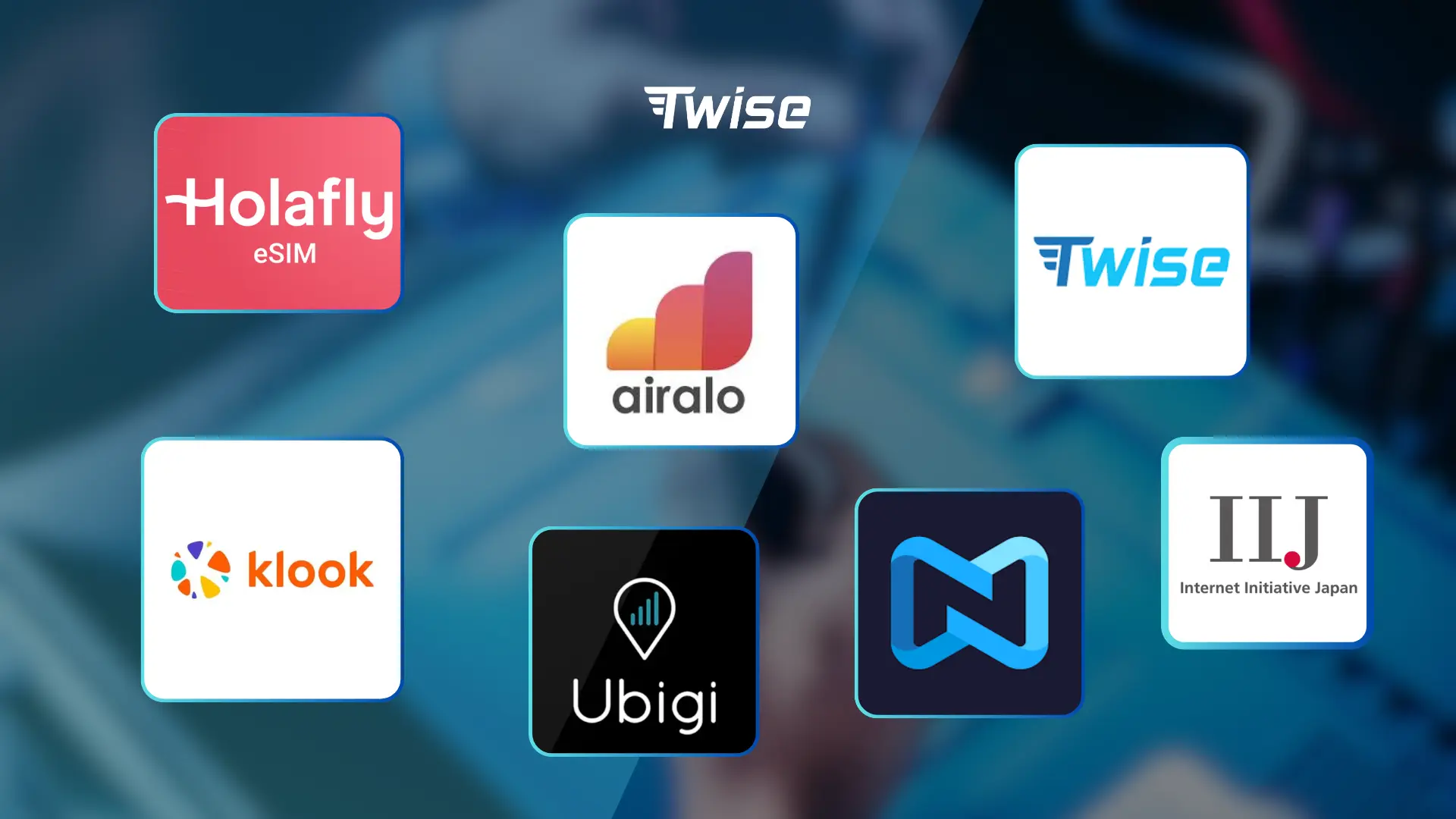
-
Twise
Twise provides a broad selection of Japan eSIM plans through its official platform: https://twise.tech/esim/
Strengths:
- Strong price-to-data ratio, offering better cost efficiency per GB than many international eSIM brands
- Flexible validity options, ranging from short stays to extended trips (1–30 days)
- Carrier-specific plans available on major Japanese networks, including KDDI (AU), SoftBank, and Docomo via IIJmio
- Clearly defined data allowances and post-limit speed policies, reducing the risk of unexpected throttling
Limitations:
- Most plans focus on data-only connectivity, without a Japanese phone number
Twise is a solid choice for travelers who prioritize transparent terms, carrier-level performance, and practical pricing, without paying a premium for bundled extras they may not need.
Why KDDI Matters in Twise’s Japan eSIM Lineup
One of Twise’s key differentiators is its direct partnership with KDDI (AU), one of Japan’s three primary mobile network operators. Unlike roaming-based eSIMs, Twise’s KDDI plans use true domestic routing, resulting in lower latency, faster 5G speeds, and more stable performance, especially in dense urban areas and public transport systems.
KDDI-powered eSIMs from Twise perform particularly well in:
- Underground subway systems in Tokyo and Osaka
- Indoor locations such as shopping malls and stations
- High-traffic areas where roaming eSIMs often experience congestion
Twise’s KDDI Unlimited 5G plans are designed for travelers with heavy daily usage, including navigation, video streaming, hotspot sharing, and remote work. Thanks to the direct integration with KDDI, QR codes are typically delivered within 1–2 minutes after payment, and technical issues can be resolved more efficiently than with third-party roaming providers.
- For travelers seeking true local-network performance without in-store registration, KDDI via Twise offers a level of reliability comparable to domestic SIM experiences, making it a strong choice for medium to long stays in Japan.
b. Airalo
Airalo is one of the most recognizable eSIM brands.
- Pros:
- Easy-to-use app
- Wide availability
- Cons:
- Often higher cost per GB
- Speeds may vary due to roaming
Best for light to moderate users who value app convenience.
c. Holafly
Holafly focuses on unlimited data plans.
- Pros:
- Simple activation
- Strong customer support
- Cons:
- Higher overall Japan eSIM cost
- Hotspot not always allowed
Good for travelers who want simplicity and do not want to track data usage.
d. Ubigi
Ubigi partners closely with Docomo.
- Pros:
- Stable speeds
- Excellent nationwide coverage
- Cons:
- Fewer ultra-budget options
Ideal for business travelers or long stays.
e. Klook Japan eSIM
Klook acts as a marketplace rather than a carrier.
- Pros:
- Convenient checkout
- Frequent promotions
- Cons:
- Quality depends on the seller
- Speed and support vary
Best for deal hunters who read plan details carefully.
4. What Is the Most Affordable eSIM Type in Japan?
GB-based eSIMs
For most travelers, GB-based plans are the cheapest option.
- Ideal for messaging, navigation, browsing
- Lower upfront cost
- Predictable pricing
Unlimited eSIMs
Unlimited plans make sense if you:
- Stream video frequently
- Upload content daily
- Do not want to track usage
However, they often cost more and may slow down unexpectedly.
Budget travel tips
- Avoid buying eSIMs at the airport
- Purchase before arrival
- Monitor usage with your phone’s data tracker
- Choose daily-reset plans only if you need constant high speed
5. How to Buy an Affordable eSIM for Japan (Step-by-Step)
a. Buy on a website (recommended)
Most providers, including Airalo, Ubigi, Klook, and Twise, support direct website purchases.
Steps:
- Choose a plan
- Pay online
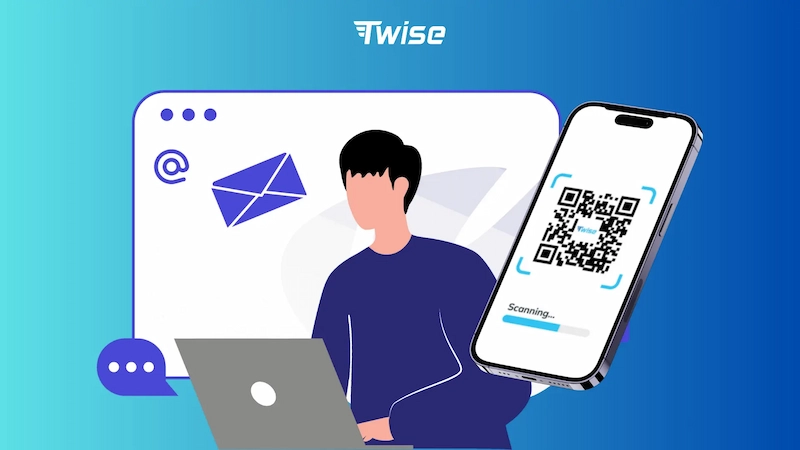
- Receive QR code by email
- Scan and install
This method offers the best prices and avoids airport queues.
b. Buy via mobile app
Apps are convenient for top-ups but may not always be the cheapest.
c. Buy at the airport
Usually more expensive due to overhead costs. Recommended only for travelers uncomfortable with self-installation.
6. Tips to Avoid Overpaying for a Japan eSIM
- Compare which Japanese network is used
- Match your plan to your itinerary
- Avoid unnecessary unlimited plans
- Check hotspot policies carefully
- Test installation before departure
7. Who Should Choose Premium vs Budget Japan eSIMs?
Budget travelers
- Choose GB-based plans
- Consider providers like Twise or Klook sellers using SoftBank/KDDI
Heavy data users
- Unlimited or high-capacity plans
- Accept higher Japan eSIM cost for convenience
Business travelers
- Prefer stable networks
- Ensure hotspot support if needed
8. How to Buy a Japan Travel eSIM on Twise (Step-by-Step)
a. Visit Twise Japan eSIM plans
On the Twise website, you will see:
- Data allowance
- Validity (3–30 days)
- Network used
- Speed and FUP policies
- Hotspot availability
- Device compatibility
b. Choose a plan based on stay length
Popular options include:
- KDDI unlimited for heavy users
- Docomo high-capacity (10–50 GB)
- SoftBank daily unlimited
Prices are displayed clearly with no hidden fees.
c. Proceed to payment
Payment methods typically include:
- Visa / Mastercard
- Apple Pay / Google Pay
- International cards
No passport or ID required.
d. Receive your eSIM instantly
After payment, you receive:
- QR code
- Manual activation codes
- Installation guides for iOS and Android
e. Install and activate
Install before departure or upon arrival, depending on the plan.
f. Turn on data when landing
Enable:
- Mobile Data
- Data Roaming
- Twise eSIM as the main data line
Connection usually activates within seconds at major airports.
9. Japan eSIM Price Comparison Table (Overview)
| Provider / Plan | Network Used | Typical Data Structure | Best For | Typical Validity Options |
| Twise – IIJmio Fixed Data | Docomo (via IIJmio) | 3GB, 5GB, 8GB, 10GB, 15GB, 20GB, 30GB, 50GB | Travelers who want predictable data & widest coverage | 7 / 8 / 15 / 30 days |
| Twise – KDDI Daily Plan | KDDI | Daily high-speed allowances (Unlimited 4G daily with fair use) | Short to medium trips; urban exploration | 1–30 days (1, 2, 3, … 30) |
| Twise – KDDI Fixed Data | KDDI / AU | High-capacity fixed plans (30GB, 50GB) | Heavy data users; long stays | 7 / 15 / 30 days |
| Twise – SoftBank Daily Plan | SoftBank | Daily allowance: 500MB/day, 1GB/day, 2GB/day, 3GB/day | Budget travelers; short city trips | 1–30 days (select daily periods) |
Conclusion: How to Choose the Most Affordable Japan eSIM
Choosing the right eSIM is not about finding the lowest advertised price—it is about value. The true Japan eSIM cost depends on how much data you need, where you travel, and how reliable your connection must be.
Recap your decision process:
- Estimate your data usage
- Choose the right network
- Compare plan transparency
- Balance budget against performance
Providers like Twise offer a strong middle ground for travelers who want competitive pricing, reliable Japanese networks, and clear plan details without paying premium rates.
Ultimately, the best eSIM is the one that fits your travel style—not just your budget.
Twise’s customer support is available 24/7 to assist you. You can contact them through the official channels below for immediate help:
– Facebook Fanpage: Twise
– Email: support@twise.tech
– WhatsApp: (+1) 818-915-0777
