

Best eSIM Japan 10 Days for Tourists: How Much Data Do You Really Need?
Jan
10 days is widely considered the perfect length for a first-time trip to Japan. It allows travelers to explore the iconic Golden Route—Tokyo, Kyoto, and Osaka—without rushing, while still leaving room for side trips such as Hakone, Nara, or Mount Fuji.
As Japan becomes one of the world’s most tech-friendly travel destinations, staying connected is no longer optional. Navigation, translation, bookings, payments, and social sharing all rely heavily on mobile data. This is why more travelers are moving away from physical SIM cards and pocket WiFi and choosing an eSIM Japan 10 days instead.
An eSIM removes the hassle of airport counters, device rentals, and physical SIM swaps. You can buy it online, install it in minutes, and land in Japan with mobile data already working.
But one key question remains for most tourists planning a 10-day trip:
- Which is the best eSIM Japan 10 days option for travelers?
- How much data do you actually need for 10 days in Japan?
In this guide, you’ll learn:
- How much data different travelers really use in Japan
- Why Japan’s mobile networks matter for eSIM performance
- The best Japan eSIM options for a 10-day itinerary
- How to choose the right plan based on travel style, budget, and device
- Common mistakes tourists make when buying an eSIM for Japan
1. How Much Data Do You Actually Need for 10 Days in Japan?
a. Typical Daily Data Usage in Japan
Japan is one of the most data-intensive travel destinations. Travelers rely on mobile internet constantly for:
- Google Maps & Apple Maps (train routes, walking directions, transfers)
- Translation apps (ChatGPT, Google Translate, camera translation)
- Social media (Instagram, TikTok, Reels, YouTube Shorts)
- Restaurant reviews (Google Maps, Tabelog)
- Booking apps (Airbnb, Agoda, Booking.com, Klook)
- Messaging & calls (WhatsApp, LINE, iMessage, FaceTime)
Even without heavy streaming, these apps quietly consume data throughout the day.
b. Daily Data Usage Scenarios
Light user (1–2GB/day)
- Navigation
- Messaging
- Occasional browsing
- Minimal social media
Medium user (3–5GB/day)
- Frequent maps usage
- Translation apps
- Social media scrolling
- Uploading photos
Heavy user (6–10GB/day)
- Video streaming (YouTube, TikTok)
- Daily uploads and stories
- Video calls
- Hotspot sharing
c. Total Data Needed for 10 Days in Japan
| Total Data | Suitable For |
| 10GB | Bare minimum (very light usage) |
| 20–30GB | Safe option for most travelers |
| Unlimited | Heavy users, creators, multi-city trips |
For most tourists, 20–30GB is the realistic sweet spot. Anything less often leads to anxiety, throttling, or running out of data mid-trip.
d. When Data Usage Spikes Unexpectedly
Many travelers are surprised by how quickly their data runs out during a trip, often due to everyday activities they don’t realize consume a lot of bandwidth, such as:
-
Offline maps not downloading properly and switching back to online navigation
-
Uploading high-resolution photos or 4K videos to cloud storage or social media
-
Using live camera translation apps for menus, signs, or directions
-
Making video calls with family, friends, or work contacts
-
Sharing a hotspot with travel companions or a laptop for remote work
Because of these hidden data drains, choosing a slightly larger data plan—or an unlimited eSIM—is usually the safer option, especially for a 10-day trip to Japan where navigation, translation, and constant connectivity are essential.
2. Understanding Japan Mobile Networks (and Why They Matter for eSIM)
a. Japan’s Major Mobile Networks
Japan has three primary carriers:
- Docomo – Best nationwide coverage, strongest in rural areas
- KDDI / AU – Excellent 5G and metro performance
- SoftBank – Fast speeds in major cities
b. Why Domestic Network eSIMs Perform Better
A domestic esim for Japan connects directly to local carrier infrastructure instead of routing through international roaming networks. This results in several clear advantages:
- Higher network priority, especially during peak hours
- More stable and consistent speeds for navigation, streaming, and work
- Stronger coverage beyond major cities, including rural and remote areas
c. Why Global eSIMs Often Throttle
Many global brands rely on roaming agreements, which leads to:
- Fair-use limits after 3–5GB/day
- Lower priority during peak hours
- Slower speeds in crowded areas
For a 10-day trip, these limitations become noticeable.
3. Best eSIM Japan Options for a 10-Day Trip
a. Best Unlimited eSIM (For Heavy Users)
Twise – KDDI Unlimited eSIM
Twise KDDI Unlimited 5G is the flagship Japan eSIM offered by Twise and the top recommendation across all Japan travel content.
Why KDDI Unlimited 5G Stands Out
- 100% Japan Domestic eSIM
This is not a roaming eSIM. It connects directly to the AU/KDDI network, one of Japan’s three major domestic carriers. - Fast, Stable 5G Performance
Consistently strong speeds in:- Tokyo subway lines
- Kyoto temple districts
- Osaka nightlife areas
- High-traffic tourist zones and peak hours
- True Unlimited Data (High Fair-Use Threshold)
Ideal for:- Content creators uploading videos
- Travelers using navigation all da
- Families sharing hotspot
- Remote workers needing reliable connectivity
- Easy Setup, No Technical Hassle
Simply scan the QR code.
No APN configuration, no identity verification, no store visit. - Direct Partnership with KDDI (AU)
Twise works directly with KDDI’s technical team, which means:- Faster technical support
- Guaranteed domestic-network routing
- QR code delivery within 1–2 minutes after payment
Pricing
- Unlimited 5G: from $30 for 7 days
- Unlimited 4G (more affordable): from $20 for 7 days
(Occasional discounts not included)
For most travelers, KDDI offers the best balance of speed, reliability, and price.
b. Best Fixed-Data eSIM (Affordable & Stable)
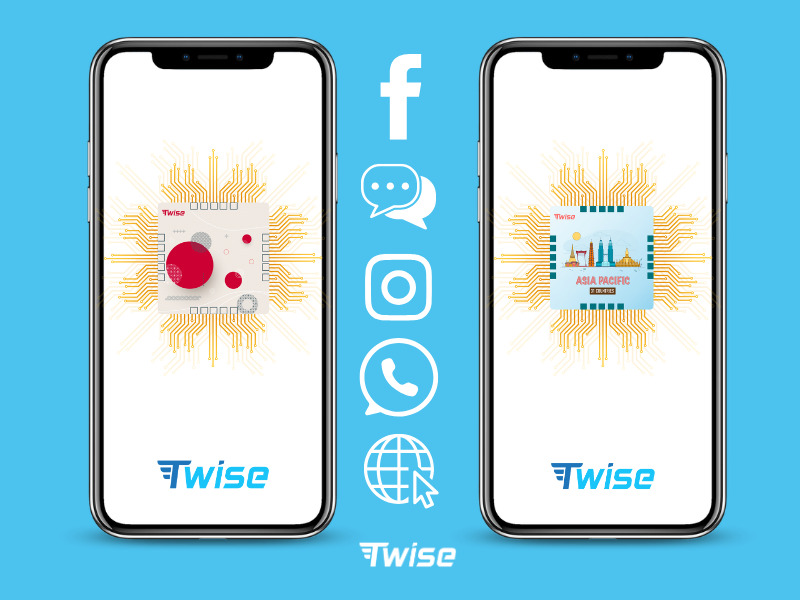
Twise – IIJmio (Docomo Network)
- Data options: 3GB, 5GB, 10GB, 20GB, 30GB
- Strong coverage in urban and rural Japan
- Reliable for travelers visiting:
- Mount Fuji
- Takayama
- Hokkaido
- Nikko
c. Best Daily Data eSIM (Easy Control)
Twise – SoftBank Daily Plans
- Fixed daily data (500MB–3GB/day)
- Data resets every 24 hours
- Ideal for city-focused trips:
- Tokyo
- Osaka
- Nagoya
d. Best Budget Options
- Small Docomo-based plans (3–5GB)
- SoftBank daily passes
- Global brands (Airalo, Nomad, Ubigi)
- Note: Often slower and throttled after daily limits
4. Comparison Table: Japan eSIM 10 Days
| Provider | Network | Data Type | Validity | Best For |
| Twise KDDI | KDDI/AU | Unlimited | 5–30 days | Heavy users |
| Twise IIJmio | Docomo | 5–30GB | 7–30 days | Rural coverage |
| Twise SoftBank | SoftBank | Daily limit | 5–30 days | Budget & control |
| Airalo | KDDI (roaming) | Fixed | 7–30 days | Casual users |
| Ubigi | SoftBank (roaming) | Fixed | 30 days | Light usage |
5. How to Choose the Best Japan eSIM for 10 Days
a. By Data Usage
- Light → 5–10GB
- Medium → 15–20GB
- Heavy → Unlimited
b. By Itinerary
- Cities only → SoftBank
- Rural travel → Docomo or KDDI
- Multiple cities → KDDI unlimited
c. By Budget
- Under $10 → Small global plans
- $10–$20 → Domestic fixed data
- $20+ → Unlimited high-speed
d. By Device
- iPhone XS and newer → Fully compatible
- Android → Check eSIM support & bands
Read more: Steps to Check Carrier Compatibility for Unlocked Phones
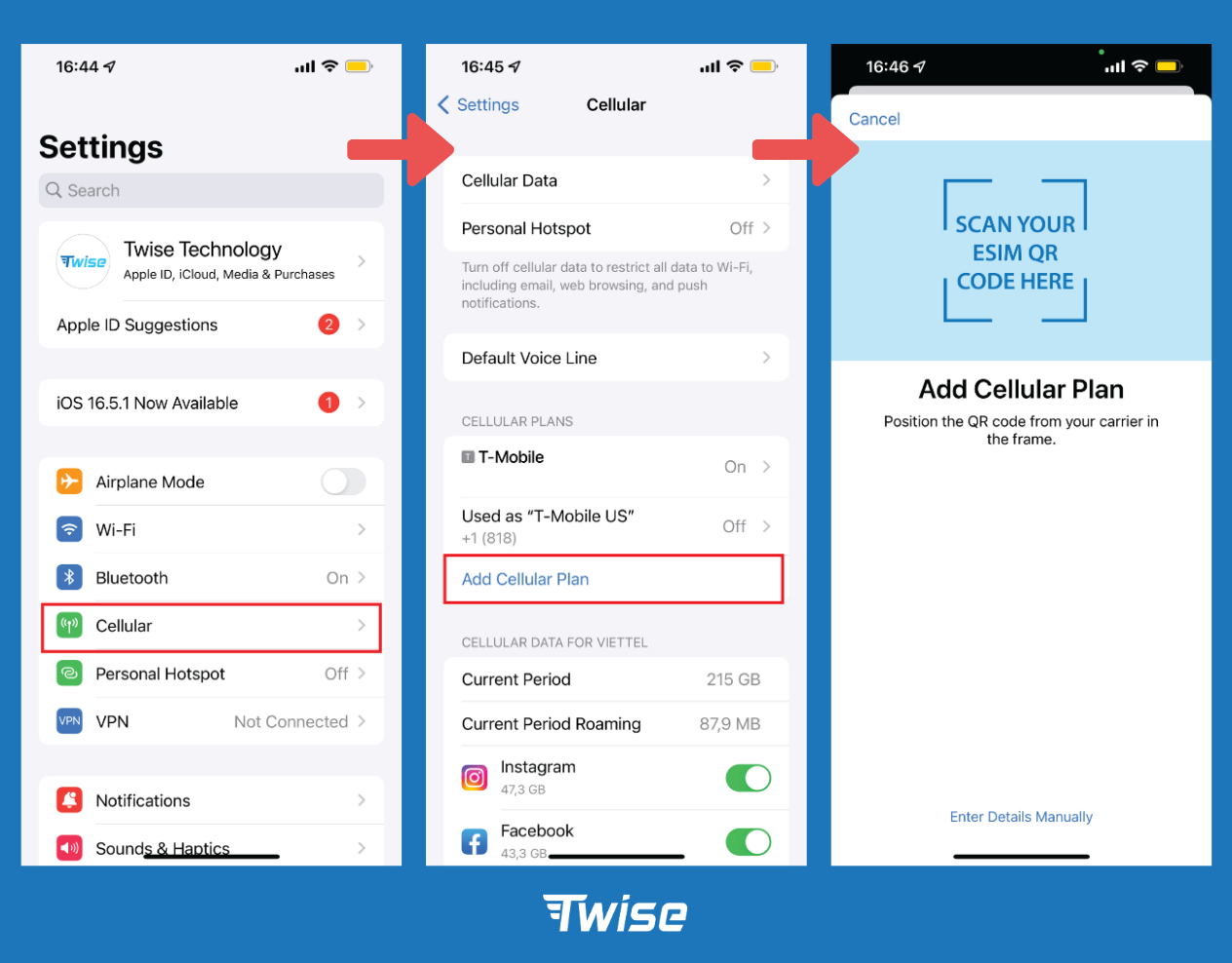
6. Step-by-Step: How to Install a Japan eSIM
- Check device compatibility
- Buy eSIM before departure
- Scan QR code
- Enable Mobile Data
- Switch data line to eSIM
- Turn on Data Roaming
- Restart if needed
7. Common eSIM Mistakes in Japan
-
Buying only 3–5GB for a 10-day trip
Japan is very data-heavy. Maps, translation apps, transit navigation, social media, and cloud uploads can quickly consume small data plans, leading to early data exhaustion. -
Activating the eSIM too late
Waiting until arrival can cause issues if airport Wi-Fi is slow or unstable. Installing the eSIM before departure ensures instant connectivity after landing. -
Forgetting to enable data roaming
Most Japan travel eSIMs require data roaming to be turned on. Without it, the eSIM may show no signal even when correctly installed. -
Expecting global eSIM speeds everywhere
Roaming-based eSIMs often have higher latency and inconsistent speeds compared to local-network eSIMs, especially in crowded cities or on trains. -
Sharing hotspot on small data plans
Hotspot usage drains data rapidly, particularly when connecting laptops or tablets. Small data plans are rarely sufficient for tethering. -
Not checking fair-use or speed reduction policies
Some “unlimited” plans reduce speed after a high-speed threshold. Not understanding these limits can lead to unexpected slowdowns. -
Deleting the eSIM too early
Removing the eSIM before the trip ends can prevent reinstallation and cause connectivity issues if you still need data.
These mistakes are easy to avoid and addressing them in advance helps ensure a smooth, reliable eSIM experience throughout your time in Japan.
Conclusion
Choosing the right esim japan 10 days plan depends on how you travel, not just how long you stay.
For most tourists:
- 20–30GB is the safest balance
- Unlimited KDDI or Docomo-based plans offer the best experience
Buying your Japan eSIM before departure ensures a smooth arrival, no queues, and no stress.
Final takeaway:
For 95% of travelers, a 10-day Japan itinerary requires at least 20GB—or unlimited—for peace of mind.
FAQ
Is 10GB enough for 10 days in Japan?
Only for very light users. Most travelers need more.
Can I hotspot with a Twise Japan eSIM?
Yes, depending on plan and device.
Is unlimited data truly unlimited in Japan?
Yes, with fair-use policies at high thresholds.
Does Japan require ID for eSIM?
No ID is required for data-only eSIMs.
Can I buy a 10-day Japan eSIM before arrival?
Yes—and it’s strongly recommended.
Twise’s customer support is available 24/7 to assist you. You can contact them through the official channels below for immediate help:
- Facebook Fanpage: Twise
- Email: support@twise.tech
- WhatsApp: (+1) 818-915-0777
