

Is IIJ Japan eSIM the Best for Tourists? Full Comparison & Alternatives
Feb
Over the past few years, Japan has seen a sharp increase in international tourism, long-stay visitors, and digital nomads. From first-time travelers exploring Tokyo and Kyoto to repeat visitors venturing into rural prefectures, one need remains constant: fast, stable, and affordable mobile data. As a result, travel connectivity has shifted rapidly from physical SIM cards and pocket WiFi devices to eSIM solutions.
Today, tourists searching for a prepaid esim japan encounter dozens of options. These range from international eSIM marketplaces to domestic Japanese mobile virtual network operators (MVNOs), as well as travel-focused eSIM brands built specifically for foreign visitors. Among these choices, IIJmio (IIJ) frequently appears as a highly reputable option, especially for travelers who value network reliability.
IIJ is one of Japan’s oldest and most trusted internet service providers, known for its technical excellence and transparent pricing. Its eSIM offerings, often referred to as IIJ Japan eSIM, use NTT Docomo’s extensive nationwide network, which has long been considered the gold standard for coverage in Japan.
But does reliability alone make IIJ the best choice for tourists?
This article provides a detailed, practical comparison of IIJ Japan eSIM against other popular Japan eSIM providers. We will evaluate coverage, speed, pricing, convenience, and support to determine whether IIJ is truly the best option—or whether alternatives such as Twise offer a more tourist-friendly experience.
1. Understanding What Makes a “Good” Japan eSIM for Travelers
Before comparing providers, it is important to define what actually makes a good prepaid esim japan for tourists. The best choice is not always the one with the strongest reputation, but the one that aligns with real travel needs.
a. Network coverage
Japan’s mobile infrastructure is excellent overall, but network differences still matter:
- Docomo
The widest nationwide coverage, particularly strong in rural, mountainous, and remote areas. - KDDI (AU)
Known for fast 4G/5G speeds and excellent suburban performance, with strong indoor coverage. - SoftBank
Performs extremely well in major cities, popular tourist routes, and urban transit systems.
For tourists planning multi-city or countryside travel, coverage can be more important than peak speed.
b. Speed (4G/5G performance)
Travelers rely on mobile data in real-world conditions, not lab tests. Key considerations include:
- Performance during peak hours (evenings, weekends)
- Stability on trains and in subways
- Usability in smaller towns and countryside areas
A Japan eSIM that works perfectly at midnight but slows drastically at 6 p.m. can be frustrating.
c. Pricing and data value
Pricing should be evaluated by:
- Cost per GB, not just headline price
- Availability of fixed data vs unlimited data
- Whether throttling occurs after reaching a certain usage
Tourists often overpay for convenience without realizing better-value options exist.
d. Activation convenience
A truly travel-friendly eSIM should offer:
- Online purchase before arrival
- No ID or passport verification
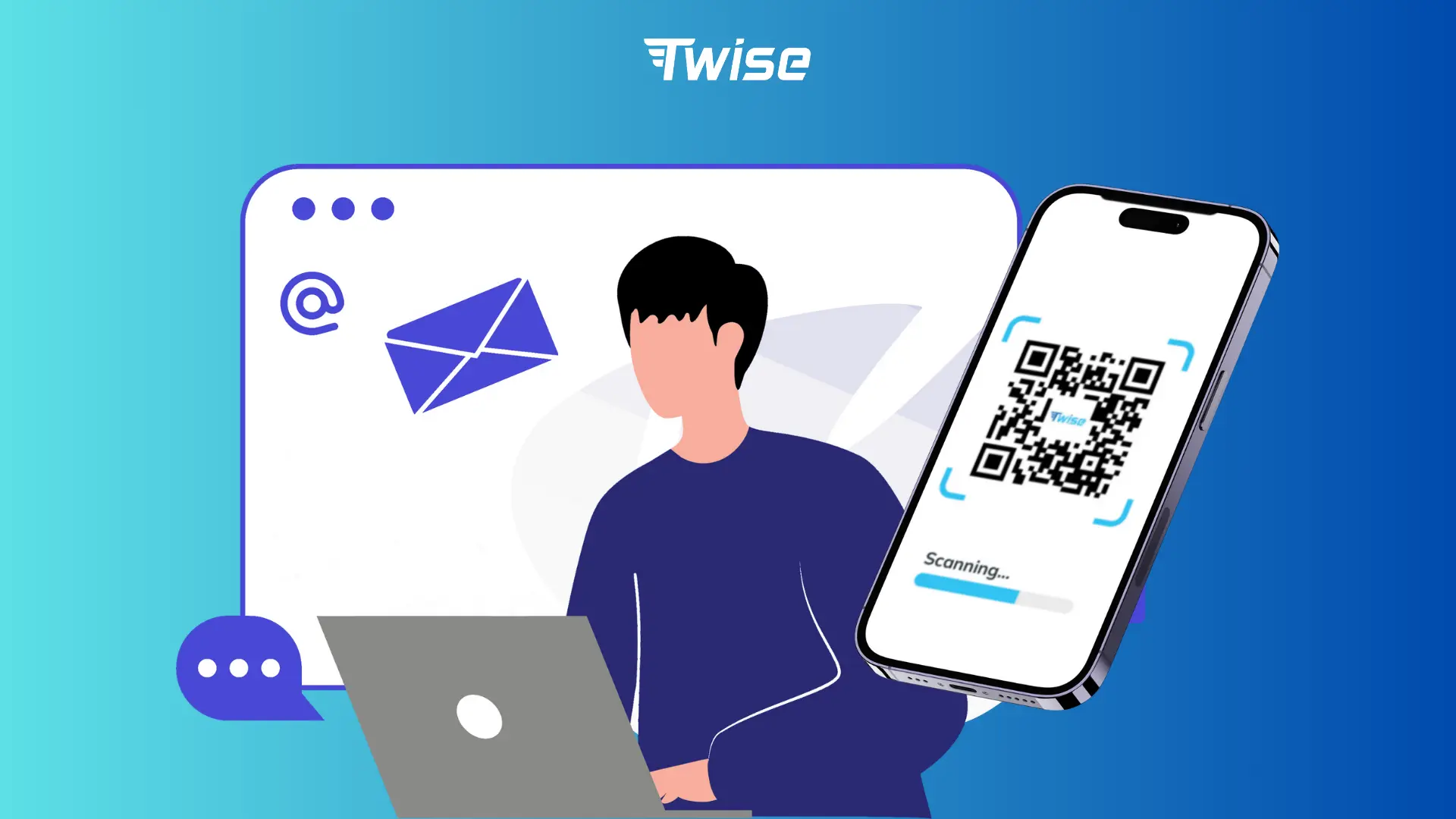
- Instant QR code delivery
- Simple installation on iPhone and Android
Any additional steps reduce convenience, especially for first-time visitors.
e. Customer support
For tourists, support quality matters as much as network quality:
- English-language assistance
- Clear setup instructions
- Fast response time
- Simple troubleshooting
Domestic providers often excel technically but lag in tourist-facing support.
2. What Is IIJmio (IIJ) Japan eSIM?
a. Overview of IIJ
Internet Initiative Japan (IIJ) is one of Japan’s most established technology companies. It operates as a major MVNO and provides enterprise-grade internet services across the country. In the consumer market, IIJmio is known for reliability, transparency, and conservative network management.
When travelers refer to iij japan esim, they are typically talking about IIJmio’s data-only eSIM plans that operate on the NTT Docomo network.
b. Features of IIJ Japan eSIM
Key strengths of IIJ Japan eSIM include:
- Access to Docomo’s nationwide 4G/5G network
- Strong and consistent performance in rural and suburban regions
- Stable connectivity with low latency
- Transparent data caps without aggressive speed manipulation
For travelers who prioritize stability over flexibility, these are significant advantages.
c. Limitations of IIJ Japan eSIM for tourists
Despite its strengths, IIJ has several drawbacks from a tourist perspective:
- Many plans are designed primarily for Japanese residents, not visitors
- The user interface and documentation are mostly in Japanese
- No true unlimited data options
- Manual top-ups are required when data runs out
- Customer support is not optimized for short-term tourists
These factors can create friction for travelers unfamiliar with Japanese mobile services.
This leads naturally to the next question: how does IIJ compare to more tourist-oriented Japan eSIM providers?
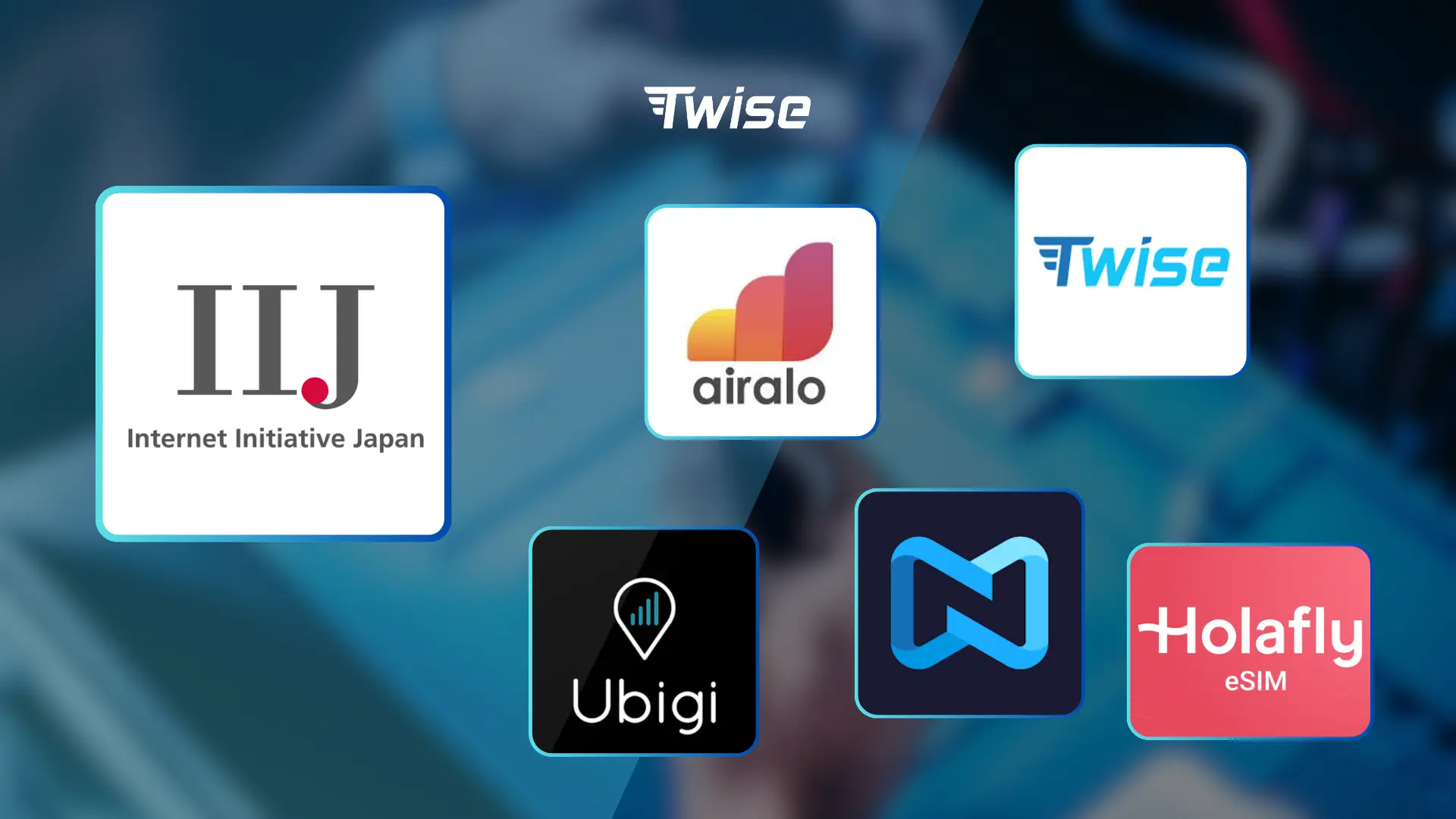
3. Comparison: IIJ vs Other Top Japan eSIM Providers for Tourists
a. Twise (KDDI & SoftBank) – Best All-Around for Tourists
Twise positions as a tourist-first Japan eSIM provider, with a strong focus on true domestic network access rather than roaming-based solutions. Our flagship offering is the KDDI (AU) unlimited eSIM, which delivers performance comparable to local Japanese SIM cards.
Key advantages:
True domestic eSIM
Twise works directly with Japanese carriers, especially KDDI (AU), ensuring:
- Lower latency
- Higher network priority
- More consistent speeds during peak hours
KDDI as the core, flagship network
The KDDI unlimited 4G/5G eSIM is Twise’s main Japan product, known for:
- Fast and stable 5G speeds
- Excellent performance in subways, indoor areas, and transit routes
- Reliable coverage in both major cities and regional destinations
Instant QR code delivery & fast technical handling
Thanks to direct carrier integration:
- QR codes are typically delivered within 1–2 minutes after payment
- Technical issues are resolved faster than reseller-based platforms
- Overall reliability is comparable to US domestic SIMs like T-Mobile
Flexible plans for different travel needs
- Unlimited 5G plans for heavy users
- More affordable unlimited 4G options
- Large fixed-data plans on SoftBank and IIJ (Docomo)
Twise works particularly well for:
- First-time travelers to Japan who want zero setup stress
- Heavy data users relying on maps, streaming, and hotspot
- Long-stay tourists (10–30 days)
- Travelers who prioritize speed, stability, and simplicity over juggling multiple eSIMs
Overall, Twise stands out as a reliable, domestic-grade Japan eSIM solution, combining local network performance, transparent pricing, and fast activation — making it one of the safest all-around choices for tourists visiting Japan.
Official website: https://twise.tech/esim/
b. Airalo Sakura eSIM
Airalo is one of the most recognized global eSIM brands.
Pros:
- Extremely easy installation via mobile app
- Competitive pricing for short trips
- Good entry-level option
Cons:
- Slower speeds during peak hours
- Limited data options for longer stays
- Not ideal for heavy users
Airalo works best for light users who value convenience above all else.
c. Ubigi Japan eSIM
Ubigi uses the Docomo network, making it comparable to IIJ in terms of coverage.
Strengths:
- Excellent rural and countryside performance
- Reliable signal for road trips and regional travel
Limitations:
- Fewer plan variations
- Less flexibility than Twise for unlimited usage
Ubigi is a strong alternative to IIJ for travelers who want Docomo coverage with a more tourist-friendly interface.
d. Nomad Japan eSIM
Nomad focuses on simplicity and app-based management.
Highlights:
- Daily and fixed data plans
- User-friendly mobile app
- Reasonable mid-range pricing
Nomad is suitable for budget-conscious travelers who still want a straightforward setup.
e. Holafly Japan eSIM
Holafly markets itself around unlimited data.
Pros:
- Unlimited usage concept
- Simple one-plan structure
Cons:
- More expensive than competitors
- Hotspot and tethering often restricted
- Fair usage policies apply
Holafly is best for travelers who want simplicity and are willing to pay a premium.
4. Is IIJ Japan eSIM Truly the Best for Tourists?
IIJ is best for:
- Travelers visiting rural, countryside, or mountainous areas
- Android users who specifically want Docomo coverage
- Tech-savvy travelers comfortable with manual setup
- Users who prioritize stable, consistent speeds
IIJ is not ideal for:
- Heavy data users
- First-time visitors to Japan
- Tourists who want unlimited or worry-free data
- Travelers who prefer English-first support and easy management
In short, iij japan esim excels technically but lacks tourist-focused convenience.
5. Recommended Alternatives Depending on Traveler Needs
a. For unlimited high-speed data
Twise KDDI plans
Fast 5G, generous usage policies, and easy setup.
b. For best rural coverage
Ubigi or IIJ (Docomo network)
Most reliable nationwide signal.
c. For short trips
Airalo
Small data packages at low cost.
d. For digital nomads
Twise Unlimited plans
Reliable for uploads, video calls, and hotspot use.
e. For budget travelers
Nomad or Klook partner eSIMs
Affordable basic data.
6. How to Choose the Best Japan eSIM Provider (Step-by-Step)
- Identify your daily and monthly data usage
- Check which regions of Japan you will visit
- Decide between fixed data and unlimited data
- Read recent traveler reviews
- Confirm your phone’s eSIM compatibility
- Purchase your eSIM before flying to Japan
Following this process helps avoid overpaying or choosing an unsuitable plan.
7. Traveler Scenarios — Which Provider Fits Best?
a. First-time tourist (Tokyo–Osaka–Kyoto)
→ Twise KDDI or SoftBank-based plans
b. Backpacker visiting rural Japan
→ IIJ or Ubigi (Docomo network)
c. Heavy social media user
→ KDDI unlimited plans
d. Short 3–5 day trip
→ Airalo or SoftBank daily plans
e. Business traveler
→ IIJ or Ubigi for strong Docomo coverage
Conclusion — So, Is IIJ Japan eSIM the Best Choice?
There is no question that IIJ Japan eSIM delivers excellent reliability and nationwide coverage. For travelers who value technical stability and plan to visit rural areas, it remains one of the strongest options available.
However, for most tourists, IIJ is not the most user-friendly choice. The lack of unlimited data, limited English support, and resident-focused design can create unnecessary friction.
For travelers who want:
- Easy setup
- English-first support
- Flexible data options
- Strong performance in both cities and suburbs
Providers like Twise, operating on SoftBank and KDDI networks, often deliver a better overall experience.
Ultimately, the best prepaid esim japan depends on your travel style, data consumption, and comfort with technical setup. By matching these factors carefully, you can ensure fast, reliable connectivity throughout your entire trip to Japan.
Twise’s customer support is available 24/7 to assist you. You can contact them through the official channels below for immediate help:
– Facebook Fanpage: Twise
– Email: support@twise.tech
– WhatsApp: (+1) 818-915-0777
